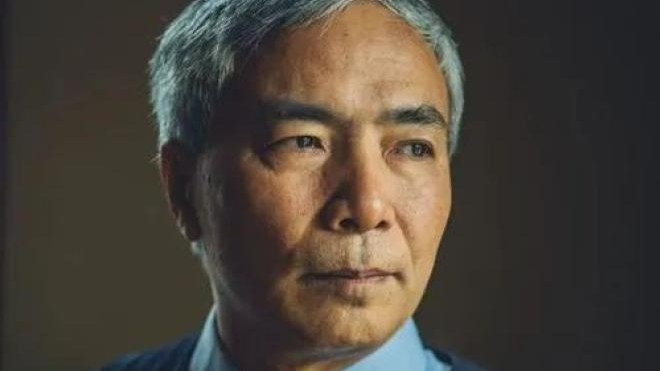
Ge Fei
Introduction
Ge Fei is a celebrated Chinese writer known for his exceptional contribution to contemporary literature. He has been recognized both domestically and internationally, earning prestigious awards for his works that explore complex themes and stylistic innovations. His novel "Wang Chun Feng" or "See the Spring Wind" has been particularly noted for its literary excellence, receiving the Jingdong Literature Prize. Ge Fei's works resonate with both critical acclaim and popular appeal, often delving into rich narratives that captivate a diverse audience.
Early Life and Education
Ge Fei was born in Jiangsu province, China, and his early life was influenced by the cultural and political landscapes of the time. His educational journey took him through some of China's most prestigious institutions, where he honed his literary skills and developed a profound understanding of Chinese literature and culture. His academic background laid a solid foundation for his future endeavors in writing, where he would go on to explore various themes deeply rooted in Chinese history and society.
Literary Career
Ge Fei's literary career is marked by a series of influential works that have significantly impacted the Chinese literary scene. His narratives often weave historical contexts with fictional elements, creating a unique tapestry that reflects on both past and present societal issues.
Early Works
Ge Fei began his writing career in the late 1980s, a period known for its vibrant literary activity in China following the country's reform and opening-up policies. His early works were published in renowned literary magazines, garnering attention for their innovative storytelling and depth. These early narratives set the stage for Ge Fei's future success, establishing him as a formidable voice in contemporary Chinese literature.
Major Novels
Among Ge Fei's most acclaimed works is Wang Chun Feng (See the Spring Wind), which earned him the Jingdong Literature Prize. This novel, part of his "Rural Trilogy," delves into the transformations of rural Chinese society through poetic prose and vivid characterization. Other significant works include Renmian Taohua, a Kafkaesque exploration of alienation and morality, and Jiangnan Trilogy, an ambitious series blending history, romance, and philosophical inquiry. Ge Fei's major novels often explore the complexities of human experience, touching on themes of identity, memory, and transformation.
Short Stories
In addition to his novels, Ge Fei has also made significant contributions through his short stories. His storytelling prowess is evident in these shorter works, where he often experiments with narrative styles and structures. These stories add another dimension to his literary oeuvre, highlighting his versatility and creativity as a writer.
Themes and Style
Ge Fei's writings are characterized by their rich thematic content and distinctive style. He often explores themes of nostalgia, identity, and the passage of time, weaving them into intricate narratives that resonate with readers. His style is marked by a lyrical quality and a keen attention to detail, allowing him to create vivid and immersive worlds. Ge Fei's ability to balance complexity with readability has earned him a reputation as one of China's leading literary figures.
Awards and Recognition
Ge Fei's contributions to literature have been recognized with numerous awards and honors. The prestigious Jingdong Literature Prize is just one of many accolades he has received for his outstanding work. His novels and stories have not only captured the attention of literary critics but also engaged a broad audience both in China and abroad. Ge Fei's recognition extends beyond literary circles, as he continues to inspire readers and writers around the world.








